New Google Ads batch in Sector 81 and online. Small batches only. Reserve a free demo seat
★★★★★ 4.8 from 98 Google reviews
Get Leads From Google Search, Not Just Clicks
A 6-week Google Ads course in Faridabad where you build Search, Performance Max and YouTube campaigns on live accounts, set up conversion tracking, and learn to cut cost per lead with a trainer reviewing every step.
- Search, PMax, Display and YouTube
- Keyword research and match types
- GA4 and conversion tracking
- Google Ads certification prep
Free two-day demo class first. Pay only if you are convinced.
Book your free demo class
Two days, real Google Ads sessions, no payment. We call you to fix a slot.
We never share your number. No spam calls.
4.8 ★
Average rating from 98 Google reviews
25,000+
Students trained
400+
Hiring partners
Sector 81
Faridabad classroom, plus live online

Tools you will work in
Google AdsKeyword PlannerGoogle Tag ManagerGoogle Analytics 4Search ConsoleMerchant CenterYouTube StudioLooker StudioChatGPTCanvaGoogle SheetsGoogle Business ProfileGoogle AdsKeyword PlannerGoogle Tag ManagerGoogle Analytics 4Search ConsoleMerchant CenterYouTube StudioLooker StudioChatGPTCanvaGoogle SheetsGoogle Business Profile
Sound familiar?
Google Ads eats money when you guess
These are the three problems we hear in almost every demo class.
01
Clicks but no calls
The account shows clicks and impressions, but the leads are junk or never come. Nobody can say which keyword is wasting money.
02
Smart campaigns, dumb results
You let Google automate everything and the budget disappeared into irrelevant searches and placements.
03
The job wants experience
Every performance marketing job asks for hands-on Google Ads experience and real numbers, not just a free certificate.
What learning Google Ads by trial and error costs
Search ads punish small mistakes with real money, every single day.
!
Budget burned on wrong searches
Broad match without negatives can spend most of a budget on searches that never convert.
!
No tracking, no optimisation
Without conversion tracking, Google cannot optimise and you cannot prove anything to a client or boss.
!
Slow career growth
Paid search is one of the most hired digital skills, and without proof you stay stuck in junior roles.
The fix
A Google Ads course where every class ends in a live account
You learn keyword research, campaign structure, bidding and tracking one topic at a time, and apply each one the same day on a real account.
The trainer reviews your search terms, ads and settings like a senior manager would. By week six you can build, track and fix a campaign without help.
What you walk out with
In 6 weeks, you will be able to
Skills a hiring manager or client can check in five minutes.
- Research and group keywords with the right match types
- Build Search campaigns with strong ads and assets
- Set up conversion tracking with GTM and GA4
- Run Performance Max and YouTube campaigns sensibly
- Cut wasted spend with search terms and negatives
- Report results and explain them to a client
Why this Google Ads course works
Built around the mistakes that cost real advertisers the most money.
Live accounts in every module
you learn with real auctions, real costs and real search terms
Tracking before scaling
every campaign you run can be measured and improved
Search term reviews with the trainer
you learn to spot wasted spend the way agencies do
Certification prep included
you can add Google’s own certifications to your profile
Local business focus
you learn campaigns that work for Faridabad and NCR businesses
Weekday, weekend or online
you can learn alongside a job or college
Who this is for
Who joins our Google Ads course
Four kinds of learners, one practical method.

Students and freshers
Start a career in performance marketing with real campaign proof.

Working professionals
Switch to paid search or add it to your current role.

Business owners
Get calls and enquiries from Google without wasting budget.

Freelancers
Offer Google Ads management as a monthly service.
Who should not join
We would rather lose an admission than waste your money. Skip this course if any of these sound like you.
- You only want the free certificate and no practical work
- You expect leads without any budget or landing page
- You want to fully automate and never check the account
- You cannot give 6 to 8 hours a week for six weeks
Curriculum
Google Ads curriculum, step by step
Covers Search, Performance Max, Display, YouTube and the tracking that makes them work.
10
modules
6
weeks
4
live projects
Module 1: How the Google Ads auction works
Why the highest bid does not always win.
- Ad rank
- Quality score
- Bidding basics
- Account structure
Module 2: Keyword research
Find searches that turn into customers.
- Keyword Planner
- Search intent
- Match types
- Negative keywords
Module 3: Search campaigns
Build campaigns that get calls and leads.
- Ad groups
- Responsive search ads
- Assets and extensions
- Location targeting
Module 4: Landing pages and offers
The part of Google Ads most people ignore.
- Message match
- Lead forms
- Page speed
- Offer clarity
Module 5: Conversion tracking
Measure what matters.
- Google Tag Manager
- GA4 key events
- Call tracking
- Enhanced conversions
Module 6: Bidding and budgets
Let automation help without losing control.
- Manual vs smart bidding
- Target CPA and ROAS
- Budget pacing
- Learning periods
Module 7: Performance Max and Display
Reach beyond search, carefully.
- Asset groups
- Audience signals
- Display placements
- Brand exclusions
Module 8: YouTube ads
Video campaigns that support search.
- Video formats
- Audiences
- Creative basics
- Measuring video
Module 9: Optimisation
A weekly routine that lowers cost per lead.
- Search terms report
- Ad testing
- Bid adjustments
- Fixing low quality score
Module 10: Reporting and certification
Show results and get certified.
- Looker Studio dashboard
- Client reporting
- Google Ads certifications
- Interview practice
Tools you will actually log into
Not screenshots on a slide. You work inside each of these during class, on accounts we provide.
GA
Google Ads
Search, PMax, Display, YouTube
KP
Keyword Planner
Keyword ideas and volumes
GT
Google Tag Manager
Conversion tags without code
GA
Google Analytics 4
Goals and audience data
SC
Search Console
Search terms and pages
MC
Merchant Center
Shopping product feeds
YS
YouTube Studio
Video ad assets
LS
Looker Studio
Client dashboards
CH
ChatGPT
Ad copy and keyword grouping
CA
Canva
Display and PMax creatives
GS
Google Sheets
Bid and budget planning
GB
Google Business Profile
Local campaigns and calls
Live projects that go into your portfolio
Each project ends with something you can open in an interview: a live campaign, a report, a working system.
Project 1
Search campaign for a local service
Research keywords, build ad groups and launch a lead campaign for a Faridabad business.
Project 2
Conversion tracking setup
Install GTM, set up GA4 key events and verify conversions flowing into Google Ads.
Project 3
Search terms audit
Audit a live account’s search terms, add negatives and document the money saved.
Project 4
Performance Max plan
Build a PMax campaign plan with asset groups and audience signals, then present it.
What a typical week looks like
Weekday batches meet on these days; weekend batches cover the same work across Saturday and Sunday.
Monday
Concept class
One topic, explained with real accounts.
Tuesday
Build together
Set it up live in Google Ads.
Wednesday
Your assignment
Apply it to your own project.
Thursday
Review session
Trainer audits your work.
Friday
Optimise
Fix issues and log results.
How the Google Ads course works
Four steps from your first enquiry to your first real result.
1
Book a free demo
Fill the form. A counsellor calls you and fixes a demo slot that suits you.
2
Attend two real classes
Sit in on a live batch for two days. Meet the trainer, see the practical work.
3
Join a small batch
Pick weekday, weekend or online. Pay in installments if you want.
4
Build, get reviewed, get placed
Run real projects, get honest feedback, then use our placement and freelancing support.
See a live Google Ads class before you decide
Sit in on two real classes first. If it is not for you, you walk away and nobody chases you.
Before the course and after it
Before
- Running ads with broad keywords and hoping
- No idea which keyword brought a lead
- Scared of wasting budget
- A certificate but no experience
After 6 weeks
- Structured campaigns with tight keywords
- Conversion tracking set up and verified
- A weekly routine to cut wasted spend
- Portfolio of campaigns, audits and reports
AdifySkills vs a typical Google Ads course
Use this table to compare any institute you are considering, including us.
| What matters | AdifySkills | Typical course |
|---|---|---|
| Practice | Live Google Ads accounts every week | Theory and screenshots |
| Tracking | GTM and GA4 set up hands-on | Not covered properly |
| Search term reviews | Trainer audits your search terms | No individual review |
| Campaign types | Search, PMax, Display, YouTube | Search only |
| Certification | Google Ads certification prep | Certificate only |
| Batch size | Small batches | Large classes |
| After the course | Placement and freelancing support | Nothing |
Roles you can target with Google Ads skills
Real job titles across Delhi NCR. Your portfolio of live campaigns is what makes you competitive.
Google Ads SpecialistPPC ExecutivePerformance MarketerPaid Search AnalystSEM ExecutiveFreelance PPC Consultant
See what these roles pay locally in our guide to digital marketing salary in Faridabad.
Three ways people use this skill
Not everyone joins for a job. These are the three paths we see most often.
Get a job
Apply for PPC and performance marketing roles with real campaign proof.
Grow your business
Get calls and enquiries from people already searching for what you sell.
Freelance
Manage Google Ads for local businesses and charge a monthly fee.
Certification
Certificate, plus Google's own certifications
Google Ads certifications are free from Google. We prepare you for them alongside the modules, and add our own certificate for completed project work.
- AdifySkills certificate of completion
- Google Ads Search certification prep
- Google Ads Display and Video prep
- GA4 certification prep
Certificate of completion
Google Ads Course in Faridabad
AdifySkills, Sector 81, Faridabad
Verified project work
Real reviews
What our students say on Google
Unedited reviews from our Google Business Profile. AdifySkills was earlier known as Digital Charanjeet Academy, which is the name some reviewers use.
★★★★★
I joined a digital marketing course from Faridabad and at the beginning I wasn’t sure if I would be able to learn it. But the classes were very practical and interactive, which made the concepts easy to understand. Gradually my confidence improved, and after completing the course I also got a placement. Overall, it was a really good learning experience.
J
JAI BAL;AJI
Google review, 7 months ago
★★★★★
I have successfully completed my Digital Marketing course, and the overall journey has been truly amazing. I got the opportunity to learn from Charanjeet Sir, whose teaching style, real-time examples, practical insights, and deep industry experience make every concept extremely easy to understand. Whether you prefer online digital marketing classes or offline digital marketing training, this academy provides a smooth and valuable learning experience for everyone.
T
The Filmy Buzz
Google review, 10 months ago
★★★★★
I’m currently doing the Digital Marketing course at Digital Charanjeet Academy, and honestly, the experience is really valuable. Yaha ka curriculum well-structured hai, teaching practical hai, aur faculty bahut supportive hai. Classroom environment bhi professional hai, aur management doubts aur guidance mein hamesha help karta hai.
K
krish jindal
Google review, 10 months ago
★★★★★
I started my learning journey 4 months ago but I was also sceptical that how will I be able to learn everything online as I live preet vihar and the coaching was in Faridabad…but with the help of their online portal I was easier also… special thanks to Charanjeet sir…great person ❤️
R
Ridhima Bhalla
Google review, 7 months ago
★★★★
Digital Charanjeet Academy offers the best digital marketing course in Faridabad. Trainers are professional and very supportive. Highly recommended digital marketing course for beginners and professionals.
M
Manifestationof 2026
Google review, 8 months ago
4.8
★★★★★ from 98 Google reviews
Read every review, good and bad, on our Google profile before you decide.

Your trainer
Learn from Charanjeet Singh, who runs real campaigns
Charanjeet Singh founded AdifySkills and still teaches a large part of every batch himself. He ran real client campaigns before he ever stepped into a classroom, and that is how he teaches: explain the idea, show it live, let you do it, then review it honestly.
Students on Google mention his teaching style and real-time examples more than anything else. You will know who is teaching your batch before you pay, not after.
Do not just explore courses. Learn from people who have actually done the work.
Founder and lead trainer10+ years of trainer experienceLive client campaignsAward-winning institute
Recognition
An award-winning institute in Faridabad
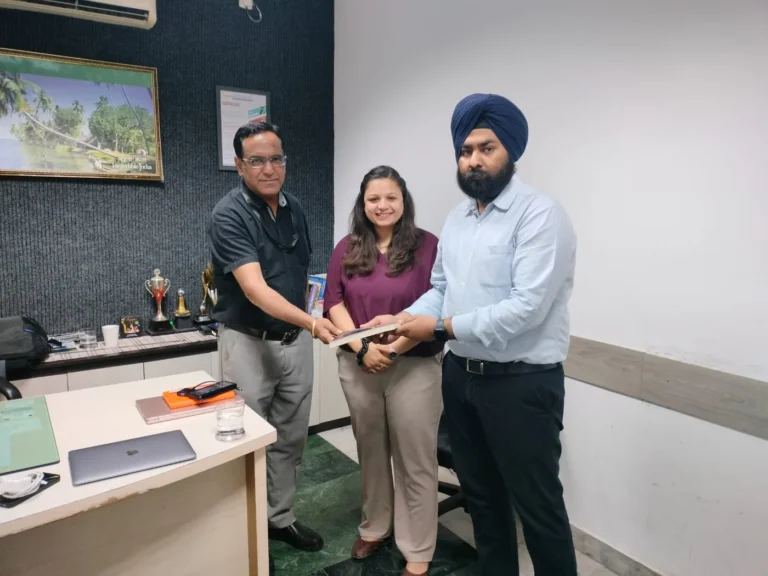
AdifySkills has been recognised by Manav Rachna University and IFA for excellence in digital marketing training. Recognition is nice. What earns it is the same thing you will get: practical teaching and honest feedback.
Where you learn
Classroom in Sector 81, or live online
Our centre is at Office No. D003, Ground Floor, Puri High Street, Sector 81, Faridabad, with parking and ground floor access. Learners join from Old Faridabad, NIT, Sector 15, Ballabgarh, Greater Faridabad and across Delhi NCR.
Online batches are live, not recorded: same trainer, same assignments, same review sessions. Recordings and the study portal are there for revision.
Fees
One fee. Everything included.
The quoted fee is final. Tools access, certification support, project reviews and placement help are part of it, not extras billed later.
- Installment option available
- Pay only after your free demo
- Same fee for classroom and online
Google Ads Course, 6 weeks
Fee shared on call or WhatsApp
The fee depends on the track and batch you choose. Call or WhatsApp +91 8383891716 for the exact fee and any current offer.
- Live classes with the trainer
- 4 portfolio projects
- Certificate of completion
- Placement and freelancing support
Everything included in your fee
- Live classes with the trainer
- Small batch, personal feedback
- Study portal (LMS) access
- Class recordings for revision
- Portfolio projects on real accounts
- Certificate of completion
- Interview and resume preparation
- Placement assistance
- Freelancing and client-handling guidance
- WhatsApp doubt support
- Weekday, weekend or online batch
- Installment payment option
Paying for the course, made simple
₹
Pay in easy installments
Split your fee into installments. Ask your counsellor for the plan that fits your budget. No hidden interest.
✓
Try before you pay
Attend a free two-day demo class first. Watch a real batch, meet the trainer, see the practical work. Pay only if you are convinced.
Upcoming batches
Small batches fill quickly. Book a demo to hold your seat in the batch you want.
| Batch | Days | Next start date |
|---|---|---|
| Weekday | Monday to Friday | Ask on call or WhatsApp |
| Weekend | Saturday and Sunday | Ask on call or WhatsApp |
| Online live | Weekday or weekend | Ask on call or WhatsApp |
Call or WhatsApp +91 8383891716 for the next start date and timings.
Admission in four simple steps
1
Fill the form
Takes 30 seconds. Name and number is enough.
2
Talk to a counsellor
Tell us your goal. We suggest the right batch, honestly.
3
Attend the free demo
Two days of real classes before you pay anything.
4
Confirm your seat
Pay the fee or the first installment and start.
FAQ
Google Ads Course in Faridabad: common questions
Still unsure? Call +91 8383891716 or message us on WhatsApp.
How long is the Google Ads course?
Six weeks, in weekday, weekend or live online batches.
What is the fee for the Google Ads course in Faridabad?
The fee depends on the batch you choose and is shared in counselling or on WhatsApp at +91 8383891716. The quoted fee is final and installments are available.
Do I need experience?
No. We start from how the auction works. Basic computer skills are enough.
Will I work on real Google Ads accounts?
Yes. Practical sessions use real accounts, real budgets and real search terms.
Is Google Ads certification included?
Google’s certifications are free from Google. We prepare you for them and you also get the AdifySkills certificate.
Does it cover Performance Max and YouTube ads?
Yes, along with Search and Display, plus the tracking each one needs.
Can I learn online?
Yes. Online batches are live with the same trainer and reviews.
Do you help with placement?
Yes, with interview prep, resume help and introductions. No course can honestly guarantee a job.
Can I attend a class before paying?
Yes. The free two-day demo is open to anyone considering the course.
Where is AdifySkills?
Office No. D003, Ground Floor, Puri High Street, Sector 81, Faridabad.
Read before you decide
Free guides from our blog that go deeper on the topics in this course.
Start getting leads from Google with one free class
Book the free two-day demo. Watch a real Google Ads class in Sector 81 or online and decide for yourself.
- Free two-day demo class
- Classroom or live online
- Installment option
- Certificate and placement support
Book your free demo class
Leave your number. We call within working hours.
We never share your number. No spam calls.